
Team

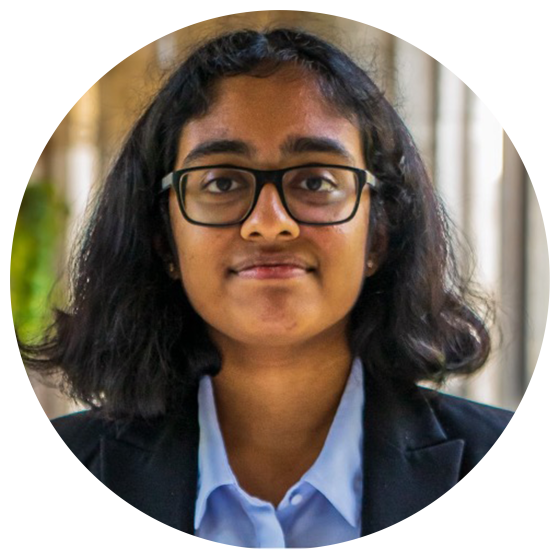
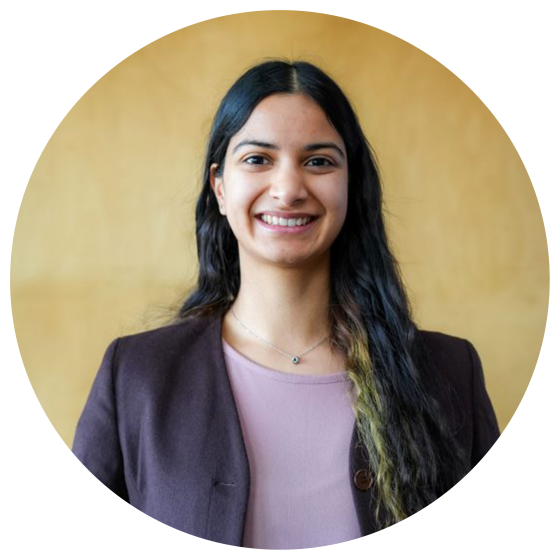
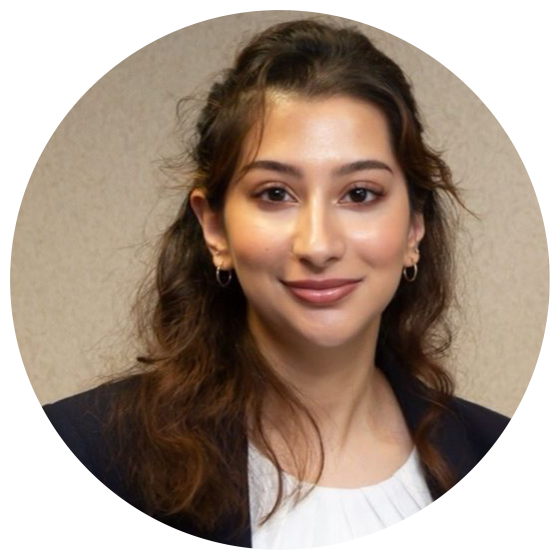
Mathula Muhundan

1024 1024 admbl

Mathula is a medical student at Memorial University of Newfoundland. She completed an Honours Bachelor of Science in Biochemistry at the University of Toronto before joining the Bhat Lab in 2025. Her research focuses on applying foundation models and multi-omics approaches to identify molecular signatures associated with metabolic dysfunction-associated steatotic liver disease (MASLD), transplant rejection, immune tolerance, and ischemia-reperfusion injury. She plans to pursue a career as a physician-scientist.

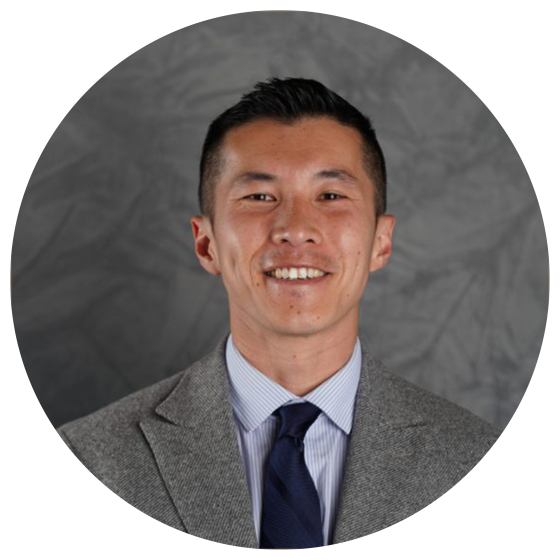
Bima J. Hasjim, MD, MSc

1024 1024 admbl

Dr. Bima J. Hasjim is a General Surgery Resident at the University of California, Irvine with a strong academic interest in abdominal organ transplantation and surgical artificial intelligence. He earned both his undergraduate and medical degrees at the University of California, Irvine and subsequently completed a Master of Science in Clinical Investigation and an NIH T32 Transplant Surgery Scientist Fellowship at Northwestern University. 

His research focuses on developing machine learning methods that improve liver transplant candidate selection, identify predictors of long-term transplant outcomes, and address disparities in access to transplantation. As a key collaborator within the Transplant AI Initiative, he has contributed to the development and validation of multi-agent artificial intelligence systems designed to support multidisciplinary transplant committee decision-making. His broader interests include predictive modelling, transplant outcomes research, and equitable access to transplantation. 

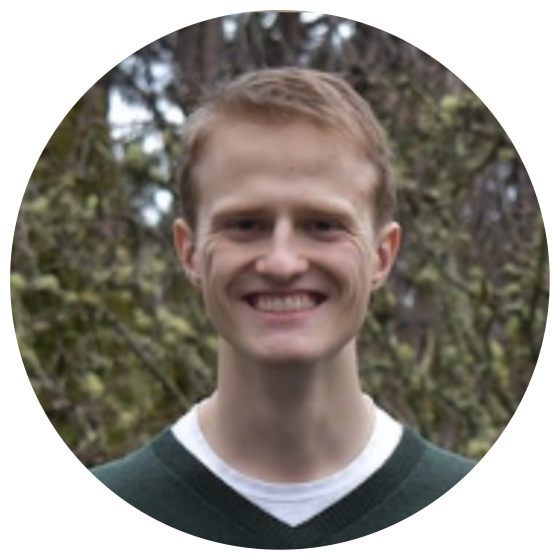
Joseph Chon, MD

1024 1024 admbl

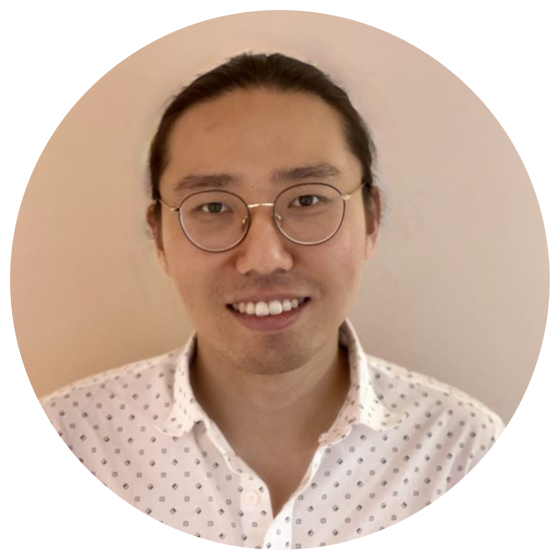
Xun Zhao, MD

1024 1024 admbl

Dr. Xun Zhao received his MD from McGill University and completed residency training in Internal Medicine and Gastroenterology at the McGill University Health Centre. He subsequently completed a two-year fellowship in Liver Transplantation and Hepatocellular Carcinoma at the University Health Network and is currently pursuing a PhD in Clinical Epidemiology at the University of Toronto under the co-supervision of Dr. Mamatha Bhat and Dr. Joseph Kim. 

His research focuses on applying clinical epidemiology, artificial intelligence, and outcomes research to improve the management of liver disease and liver transplantation. In addition to his research activities, he serves as an attending hepatologist at the McGill University Health Centre, where he continues to provide specialized care for patients with advanced liver disease. 

Katina Zheng, MD

1024 1024 admbl

Dr. Katina Zheng earned her MD from the University of Ottawa in 2021 and joined the Bhat Lab in 2023 as a Clinical Research Fellow. Her research applies artificial intelligence and machine learning to improve long-term outcomes following liver transplantation. 

Her current projects focus on developing predictive models for long-term graft survival and evaluating the impact of COVID-19 infection on cardiometabolic complications in solid organ transplant recipients. By integrating clinical data with advanced analytical methods, Katina aims to develop evidence-based tools that support personalized post-transplant care and improve long-term patient outcomes. 

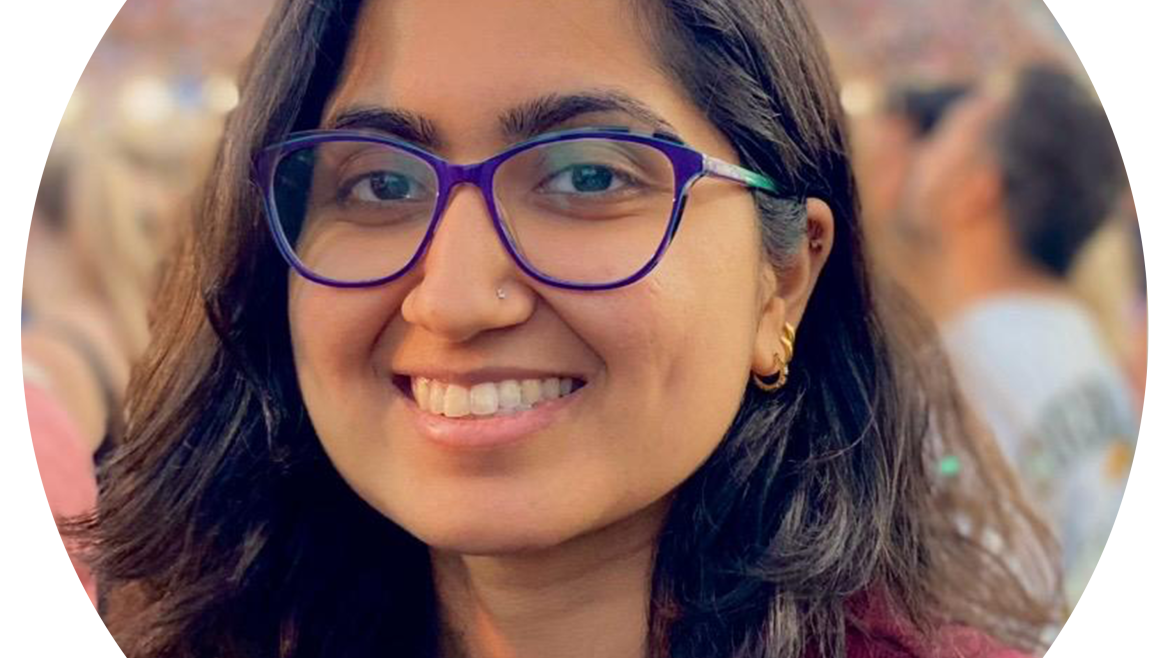
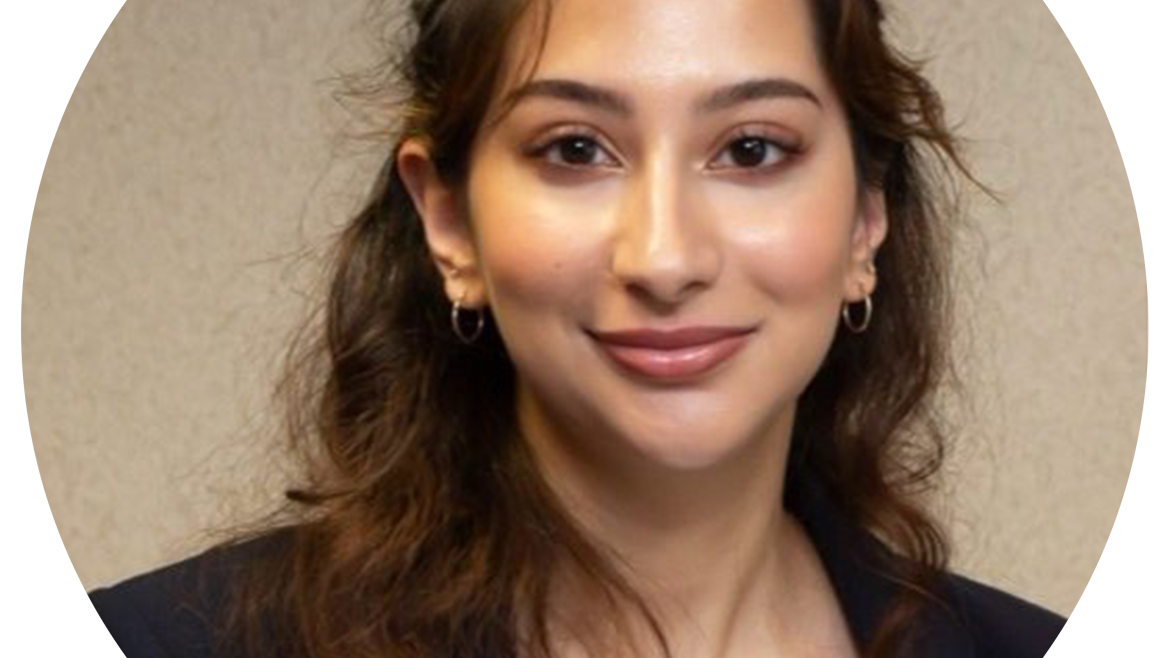
Saba Maleki, MD

1024 1024 admbl

Dr. Saba Maleki joined the Ajmera Transplant Centre in 2025 as a Clinical Postdoctoral Researcher. She earned her medical degree from Guilan and Tehran Universities of Medical Sciences and subsequently practiced as a physician while conducting cardiovascular and clinical outcomes research at Tehran Heart Center. 

Her research combines clinical epidemiology and machine learning to improve long-term outcomes following liver transplantation. Current projects include predictive modelling of chronic kidney disease progression after transplantation, optimization of immunosuppressive therapy, evaluation of GLP-1 receptor agonists in transplant recipients, and global analyses of liver transplant capacity through collaborations with the Global Burden of Disease initiative. Her interests lie in developing data-driven approaches that advance personalized transplant medicine and global health. 


Google Scholar
https://scholar.google.com/citations?user=_DXyotcAAAAJ&hl=en 

Research Gate
https://www.researchgate.net/profile/Saba-Maleki?ev=hdr_xprf 

LinkedIn
https://www.linkedin.com/in/saba-maleki-7343151b8/ 

Twitter
https://x.com/SabaMalekiMD 

ORCID
https://orcid.org/0000-0002-8476-6163 

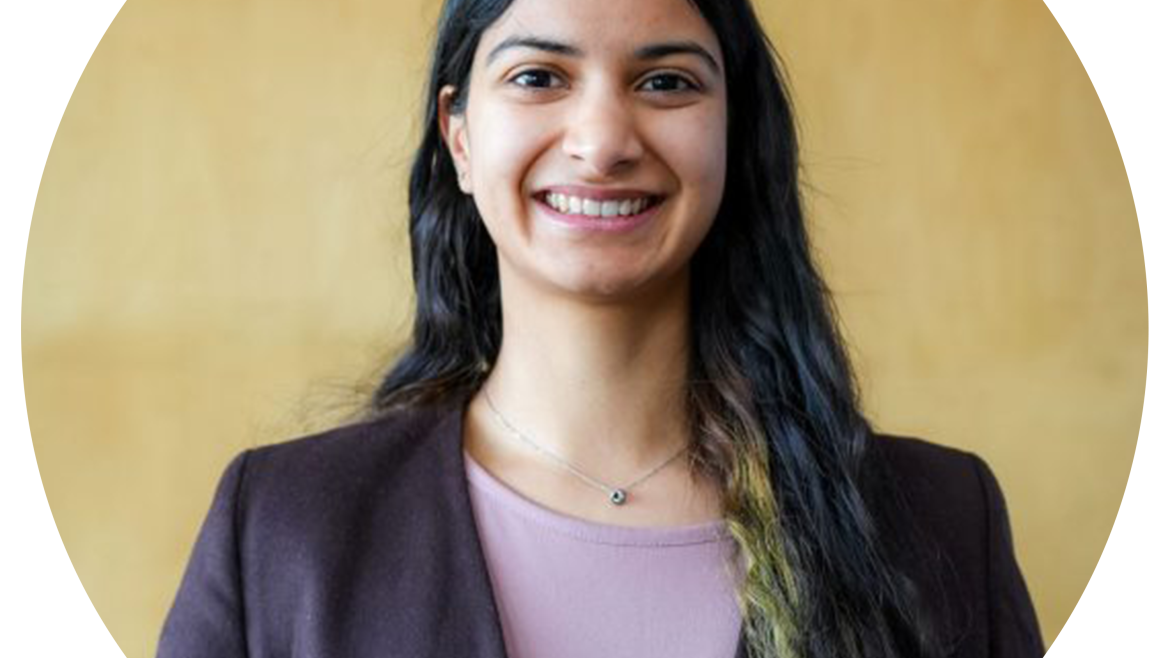
Gopika Punchhi, MD

1024 1024 admbl

Gopika Punchhi is a General Surgery resident at the University of Toronto and has been working in Dr. Bhat’s lab since 2022. She completed her undergraduate studies at the Johns Hopkins University (2019) and then obtained her MD from the University of Western Ontario (2024). She is pursuing a Master’s degree at the Institute of Medical Sciences through the Surgeon Scientist Training Program at U of T. Her research interests are in optimizing post-liver transplant outcomes and HCC risk stratification. In her free time, she likes to lift weights and attend concerts. 

Rabab Azeem, BASc

1024 1024 admbl

Rabab Azeem is pursuing a Master of Applied Science in Industrial Engineering at the University of Toronto after completing a BASc in Computer Engineering at Queen’s University. During her undergraduate training, she led QMIND, Queen’s undergraduate artificial intelligence organization, and gained industry experience through internships at Amazon and Ewha Womans University, where she developed efficient deep learning methods for medical imaging. 

Her current research focuses on developing machine learning models that predict long-term liver transplant recipient survival and optimize donor-recipient matching through multimodal clinical data integration. In recognition of her academic excellence and leadership, she was awarded the 2025 Order of the White Rose Scholarship. 

Michael Cooper

1024 1024 admbl

Michael Cooper is a PhD student in Computer Science at the University of Toronto, co-supervised by Dr. Rahul Krishnan and Dr. Michael Brudno. His research lies at the intersection of machine learning, healthcare, and high-stakes clinical decision-making.

His work focuses on designing reliable, interpretable, and deployable AI systems for organ transplantation, with particular emphasis on national-scale liver transplant prioritization and allocation. Michael is interested in developing robust machine learning algorithms that maintain fairness, transparency, and clinical reliability in safety-critical healthcare environments.

Ankita Ghatak

1024 1024 admbl

Ankita Ghatak is a PhD student at the University of Toronto whose research focuses on developing and validating multimodal artificial intelligence models for predicting liver graft fibrosis following transplantation.

Her work integrates clinical variables, pathology, imaging, and molecular biomarkers to improve individualized prediction of long-term graft outcomes. By combining advanced machine learning with large-scale clinical datasets, she aims to develop clinically interpretable decision-support tools that enable earlier identification of patients at risk for graft dysfunction and inform personalized post-transplant management.

Privacy Preferences

When you visit our website, it may store information through your browser from specific services, usually in the form of cookies. Here you can change your Privacy preferences. It is worth noting that blocking some types of cookies may impact your experience on our website and the services we are able to offer.

Click to enable/disable Google Analytics tracking code.
Click to enable/disable Google Fonts.
Click to enable/disable Google Maps.
Click to enable/disable video embeds.
Our website uses cookies, mainly from 3rd party services. Define your Privacy Preferences and/or agree to our use of cookies.